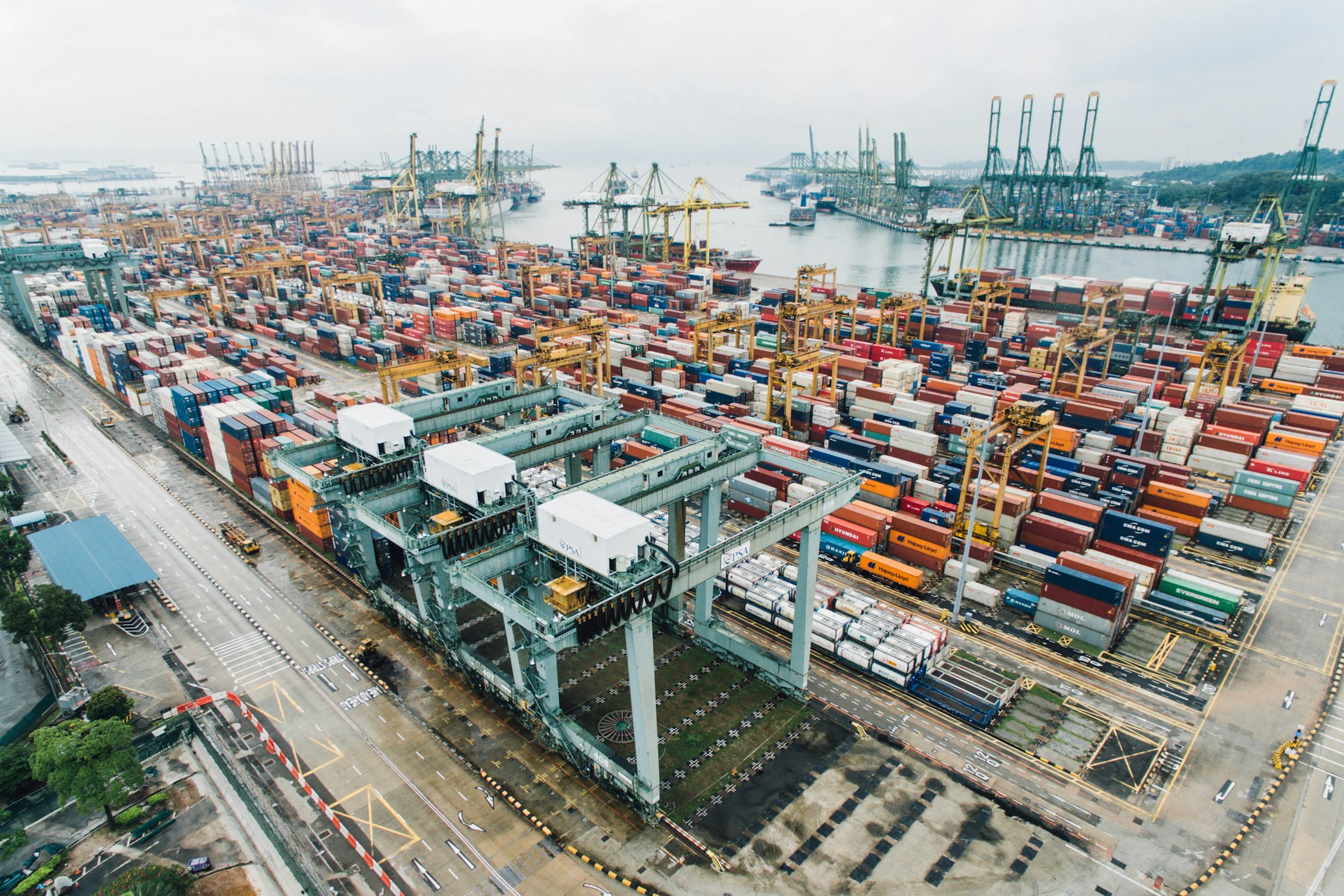
When more than 60 containers fell into the water at the Port of Long Beach this week, the dramatic images quickly went viral. The sight of steel boxes tumbling like dominoes is more than just a headline — it's a real-world reminder of how fragile and interconnected supply chains are. AP News reports that more than 60 containers toppled from the vessel, disrupting port operations and sparking cleanup efforts.
Ripple Effects Beyond the Port
When a disruption of this scale happens, the consequences extend far past the dock:
• Visibility gaps: Shippers and brokers immediately lose track of which cargo is where. • Customer impact: Importers and exporters need answers quickly, yet information is often scattered across portals, emails, and PDFs. • Administrative overload: Billing, insurance claims, and exception handling generate a wave of clerical work that teams must process on tight deadlines.
For many logistics operators, the real challenge isn't just the incident itself — it's the flood of downstream tasks that follow.
Why Supply Chain Resilience Depends on Back-Office Agility
In moments of disruption, time and attention are everything. Teams that are buried in routine data entry or manual portal updates have less bandwidth to focus on high-stakes problem-solving. That's why supply chain resilience is not just about ships and trucks — it's also about the agility of the back office.
How Logistics Automation Strengthens Resilience
This is where AI-driven logistics automation can make a measurable difference:
• Track & Trace Automation: AI agents can update shipment statuses across portals automatically, freeing operators to communicate with customers. • Billing & Documentation Automation: Instead of manually retyping details for claims or invoices, AI can parse documents and prepare the paperwork. • Exception Management in Freight: By handling routine tasks in the background, automation gives humans the space to focus on the unexpected.
Companies like Ventus AI are developing these kinds of automation tools for freight brokers, shippers, and 3PLs. The goal isn't just efficiency — it's resilience. By giving teams more bandwidth to manage high-stakes exceptions, automation helps logistics operators stay prepared when the unexpected happens.
Moving Forward: Building Stronger Supply Chains
While investigations will determine the root cause of what happened in Long Beach, one thing is clear: supply chain disruptions will continue. The companies that stay ahead will be those that combine operational expertise with tools that reduce manual overhead and increase flexibility.
Automation is part of that toolkit. Because when containers fall, storms hit, or systems break — resilience depends on people having the focus to solve problems, not the burden of clerical work.
👉 Want to see how AI automation can strengthen your supply chain resilience? Book a demo today.